Addressing Homelessness: Local Strategies in Action
Homelessness is a complex issue that affects communities across the United States. Various local strategies demonstrate how cities are effectively addressing this challenge. This article explores effective practices, offering insights into the methodologies that have shown promise in various locales.
Understanding the Scope of Homelessness
According to the U.S. Department of Housing and Urban Development, in January 2020, over 580,000 individuals experienced homelessness on a single night in the United States. The causes of homelessness are multifaceted, including factors like economic instability, mental health issues, and lack of affordable housing. Understanding these underlying causes is crucial for developing effective local strategies.
"Addressing homelessness requires a multifaceted approach that considers both immediate needs and long-term solutions." - National Alliance to End Homelessness
Effective Local Strategies
1. Collaborative Housing Initiatives
Many cities have turned to collaborative housing initiatives that involve local governments, non-profits, and community organizations. By pooling resources, these partnerships can create more affordable housing options. Experts suggest that this approach can lead to a 20-30% increase in the availability of permanent housing for homeless individuals.
2. Comprehensive Support Services
Research indicates that integrating support services such as counseling, job training, and health care with housing initiatives can significantly improve outcomes for homeless individuals. For example, a study in Los Angeles found that participants in supportive housing programs were 50% more likely to maintain stable housing compared to those who received housing without additional services.
3. Community Engagement and Education
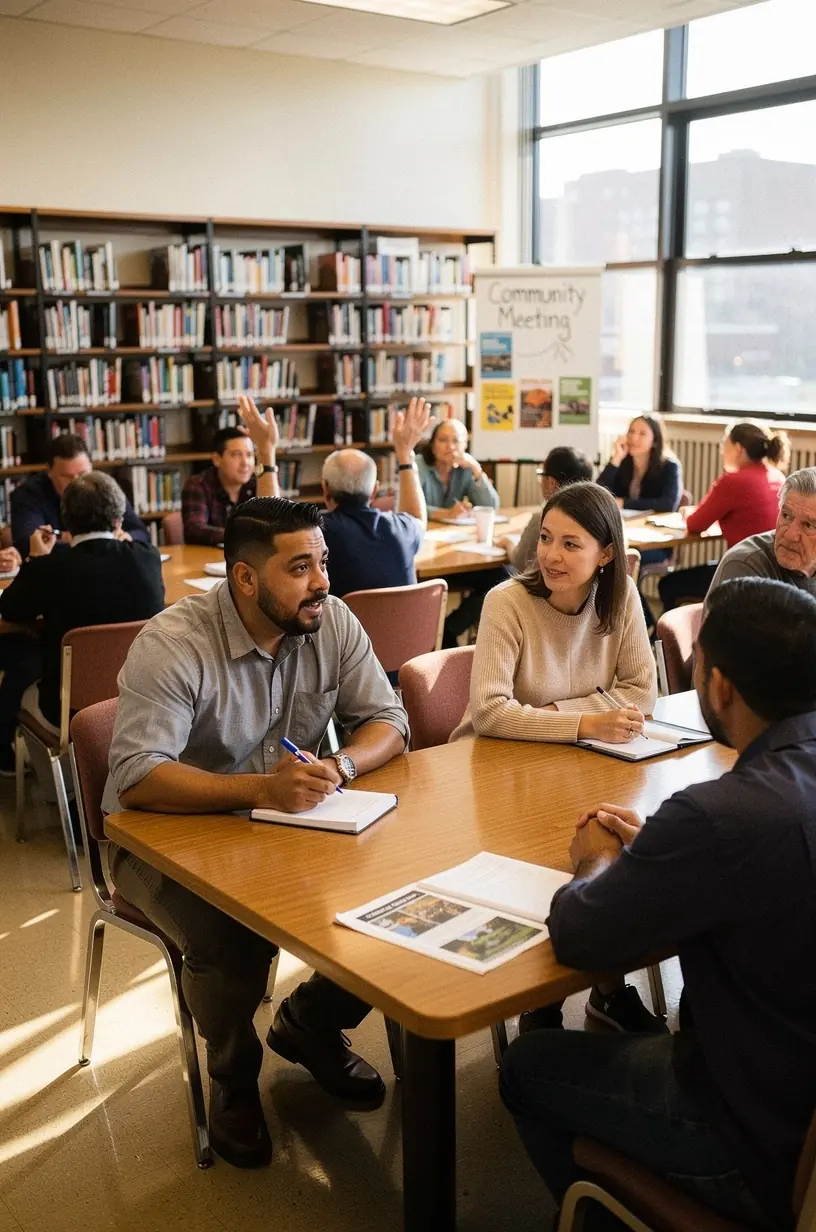
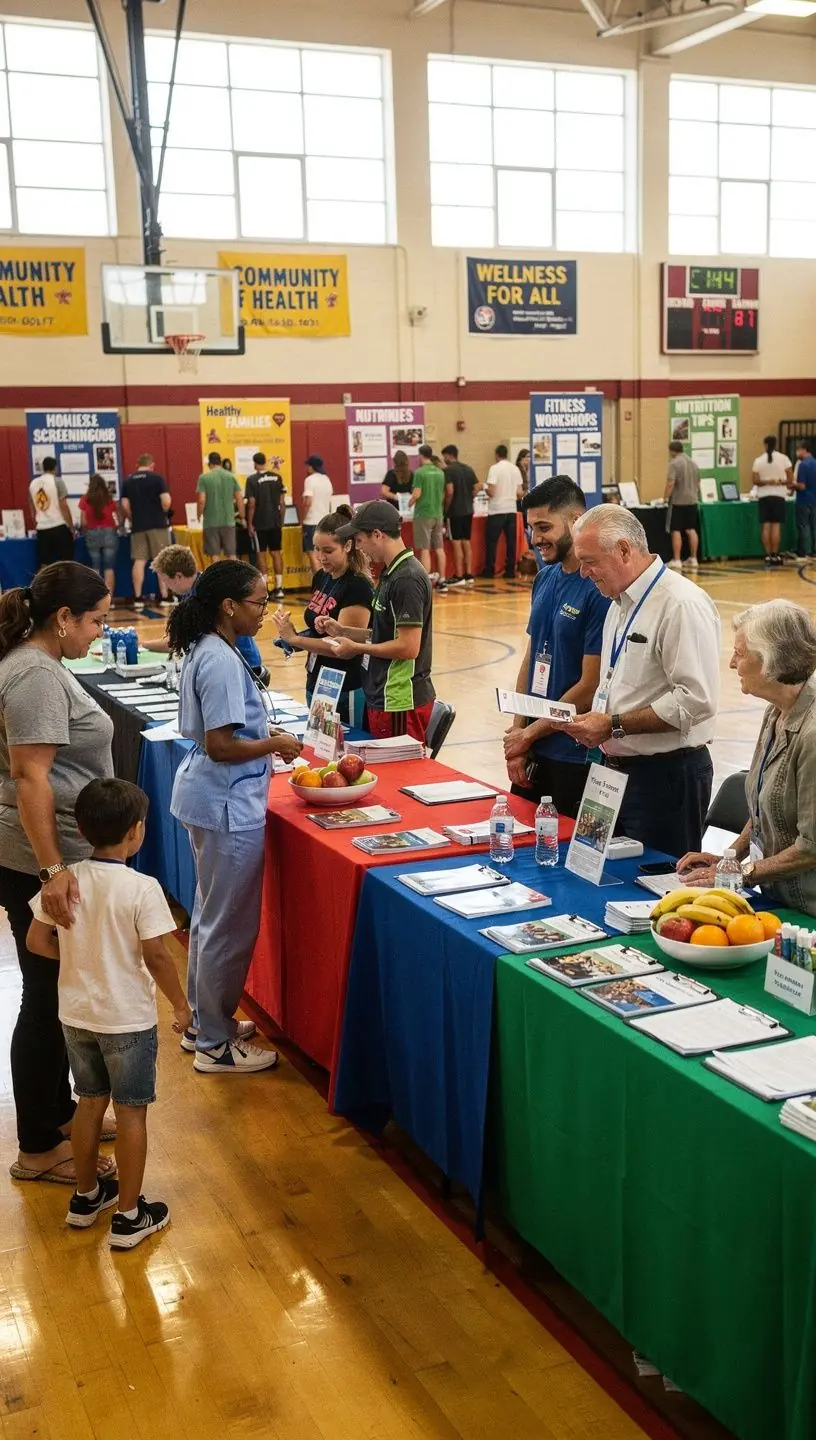
Community engagement is essential for the success of local homelessness strategies. Public awareness campaigns can help reduce stigma and encourage community involvement. According to experts, initiatives that foster community support often lead to more sustainable solutions by creating a network of local advocates.
Challenges and Considerations
While many strategies have shown effectiveness, there are challenges to consider. Implementing collaborative housing initiatives can require significant time and resources. Typically, establishing these programs might take several months to years, depending on local regulations and community cooperation.
Conclusion
Addressing homelessness is a complex challenge that demands thoughtful, evidence-based strategies. Collaborative housing initiatives, comprehensive support services, and community engagement have proven to be effective in various contexts. While progress may take time, these approaches align with best practices recommended by industry experts and can lead to meaningful improvements in the lives of those affected by homelessness.