Understanding the Impact of Gentrification on Communities
Gentrification is a complex process that significantly alters urban landscapes, impacting long-standing communities. This article will explore the dynamics of gentrification, its implications for local residents, and potential strategies to address its challenges.
What is Gentrification?
Gentrification typically refers to the transformation of a neighborhood through the influx of more affluent residents, often leading to the displacement of long-standing, lower-income residents. According to a study by the Brookings Institution, gentrification occurs when neighborhoods undergo economic development that increases property values and living costs, often without adequate support for existing community members.
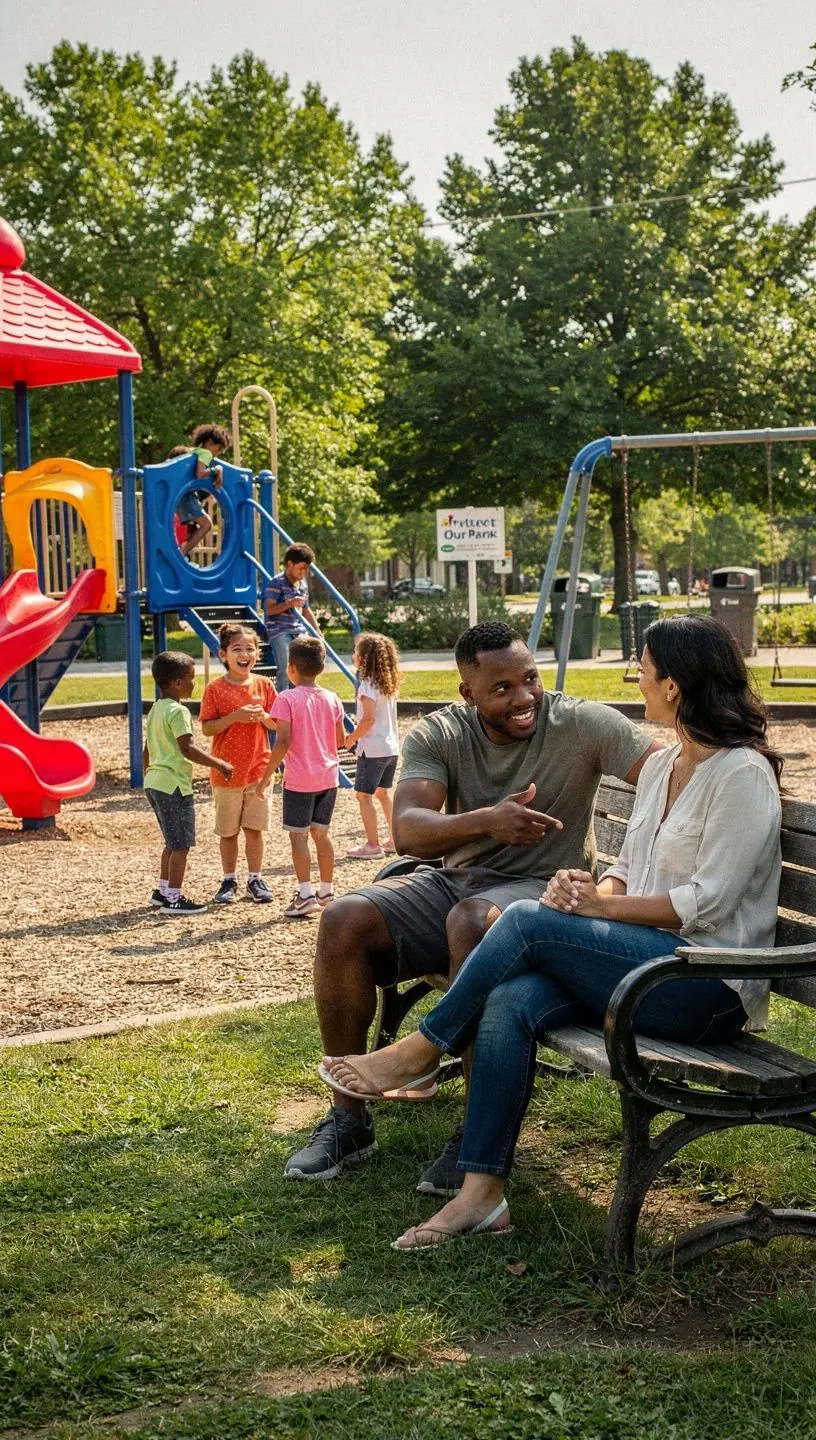
"Gentrification can lead to both revitalization and displacement, posing significant challenges for longtime residents." - Urban Studies Expert
The Positive and Negative Effects of Gentrification
While gentrification can bring investment and resources to struggling neighborhoods, it often comes at a cost. The following points outline both sides:
- Improved Infrastructure: New businesses, parks, and public services can enhance the quality of life for residents.
- Displacement Risks: Longtime residents may be forced to leave due to rising rents, often leading to a loss of community and cultural identity.
- Economic Disparities: Increased property values can exacerbate economic inequality, creating a divide between new and existing residents.
Addressing the Challenges of Gentrification
Understanding gentrification's impact is crucial for community leaders and policymakers. Here are several strategies suggested by experts to mitigate its negative effects:
- Community Land Trusts: These nonprofit organizations acquire land to ensure it is used for the benefit of the community. They can help maintain affordability in gentrifying areas.
- Inclusive Zoning Policies: Implementing policies that require developers to allocate a portion of new housing for low- and moderate-income families can help maintain diversity.
- Tenant Protections: Enforcing regulations that protect renters from sudden evictions or drastic rent increases can help stabilize communities during periods of change.
Conclusion
Gentrification presents both opportunities and challenges for urban communities. By understanding its dynamics and implementing thoughtful strategies, it may be possible to foster development that benefits all residents while respecting the history and identity of neighborhoods. Open dialogue among community members, policymakers, and developers is essential in creating sustainable urban environments that honor and uplift existing communities.
Learn More