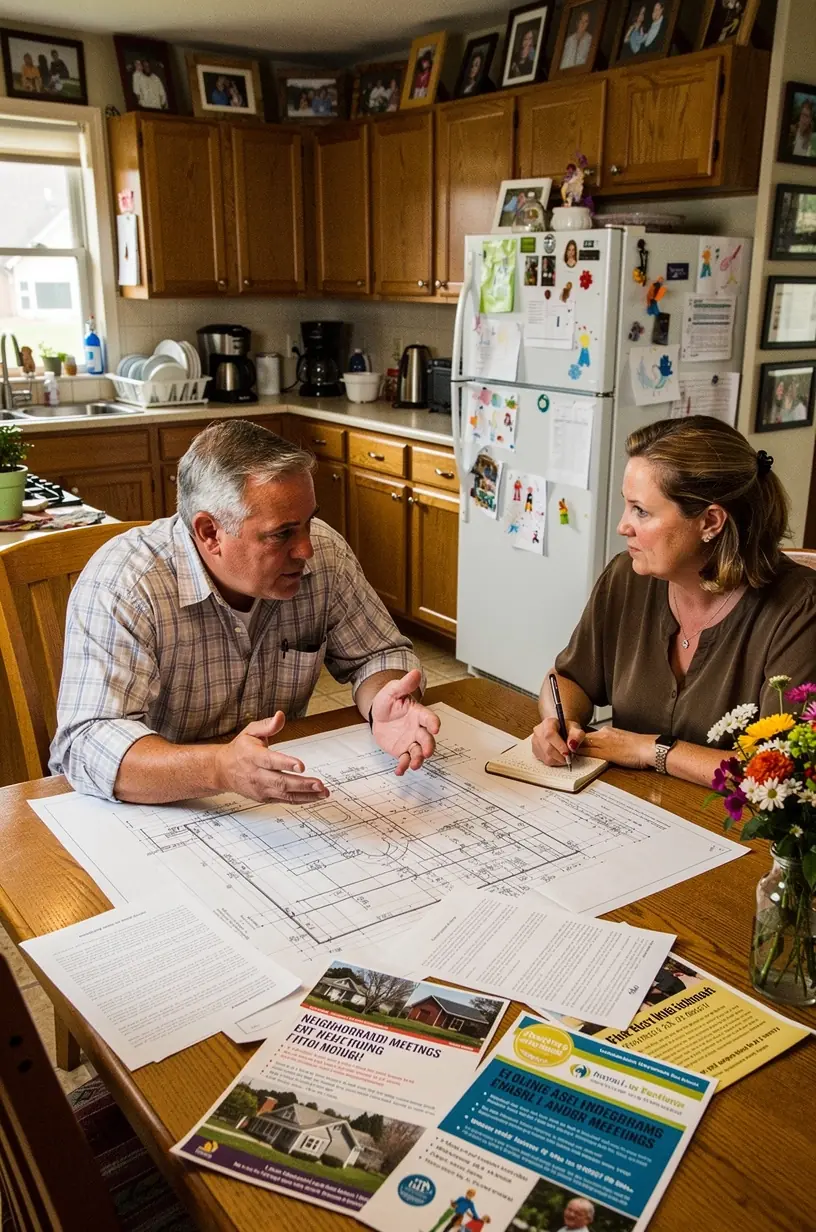
How to Advocate for Improved Local Infrastructure
Engaging in local infrastructure advocacy is essential for fostering community development. This article outlines practical steps for effectively advocating in your area, acknowledging the complexities involved in initiating change.
Understanding the Importance of Local Infrastructure
Local infrastructure encompasses critical components such as roads, public transport, water systems, and public spaces. Improving these elements can significantly enhance community wellbeing. Research indicates that well-maintained infrastructure contributes to economic growth and enhances the quality of life for residents. For example, studies show that investing in public transportation can increase local job access by up to 20% in urban areas.

"Infrastructure is the backbone of economic activity and community well-being." - Urban Development Expert
Identifying Local Infrastructure Needs
The first step in advocating for improved infrastructure is to identify the specific needs of your community. This involves:
- Researching current infrastructure: Look into existing facilities and their conditions. Many municipalities provide reports and assessments that can be accessed online.
- Gathering community input: Conduct surveys or hold community meetings to understand residents' concerns and suggestions. Engaging with local citizens often reveals issues that may not be visible at first glance.
- Reviewing local government plans: Familiarizing yourself with municipal development plans can provide insight into existing priorities and future projects.
Building a Coalition
Advocating effectively often requires a collective effort. Building a coalition can enhance your advocacy efforts. Here’s how:
- Engage local organizations: Partner with local non-profits, civic groups, and business associations. These organizations often have experience in advocacy and can amplify your voice.
- Mobilize community members: Use social media and community boards to rally support. Encourage residents to share their stories and experiences related to local infrastructure.
- Connect with local leaders: Reach out to elected officials and local government personnel. Presenting a unified front can make it easier to get their attention and support.
Advocacy Strategies
Once you have gathered support, consider the following strategies for effective advocacy:
- Public campaigns: Launch campaigns that raise awareness about specific infrastructure issues. Utilizing local media can be an effective way to reach a larger audience.
- Attend public meetings: Participate in local government meetings and forums. Expressing your concerns and suggestions directly to decision-makers can be impactful.
- Utilize data: Support your arguments with data and research. Citing studies that demonstrate the benefits of infrastructure improvements can strengthen your case.
Challenges and Considerations
While advocating for improved local infrastructure can lead to positive changes, it is crucial to acknowledge potential challenges:
- Time Commitment: Advocacy efforts often require sustained engagement over months or even years. Be prepared for a long-term commitment.
- Resistance to Change: Some community members or officials may resist proposed changes. Being ready to address concerns and objections is essential.
- Resource Limitations: Local governments may face budget constraints. Understanding the financial landscape can help frame your advocacy efforts realistically.
Conclusion
Advocating for improved local infrastructure is a vital endeavor that requires collaboration, research, and persistent effort. By understanding community needs, building coalitions, and employing effective strategies, individuals can influence positive changes in their local environments. Remember, every small effort contributes to the larger goal of enhancing community infrastructure.
Learn More