Practical Strategies for Increasing Civic Engagement
Civic engagement is essential for a thriving democracy, yet many individuals feel disconnected from their local communities. This article explores practical strategies that can foster greater involvement and encourage active participation in civic life.
Understanding Civic Engagement
Civic engagement encompasses a range of activities that allow individuals to participate in local governance and community improvement. According to research from the National Civic League, communities with higher levels of civic engagement typically exhibit better quality of life and improved public policy outcomes. This involvement can take many forms, from voting and attending town hall meetings to volunteering for community projects.
"Civic engagement is not just a right; it's a responsibility that empowers communities and strengthens democracy." - National Civic League
Strategies to Enhance Civic Engagement
Implementing effective strategies to boost civic engagement requires a multifaceted approach. Below are several practical methods that can make a significant difference:
- Leverage Technology: Many communities are using online platforms to facilitate communication and engagement. Research indicates that digital engagement tools can increase participation by making information more accessible and fostering dialogue. Local governments can utilize social media, websites, and mobile apps to share updates and gather feedback from citizens.
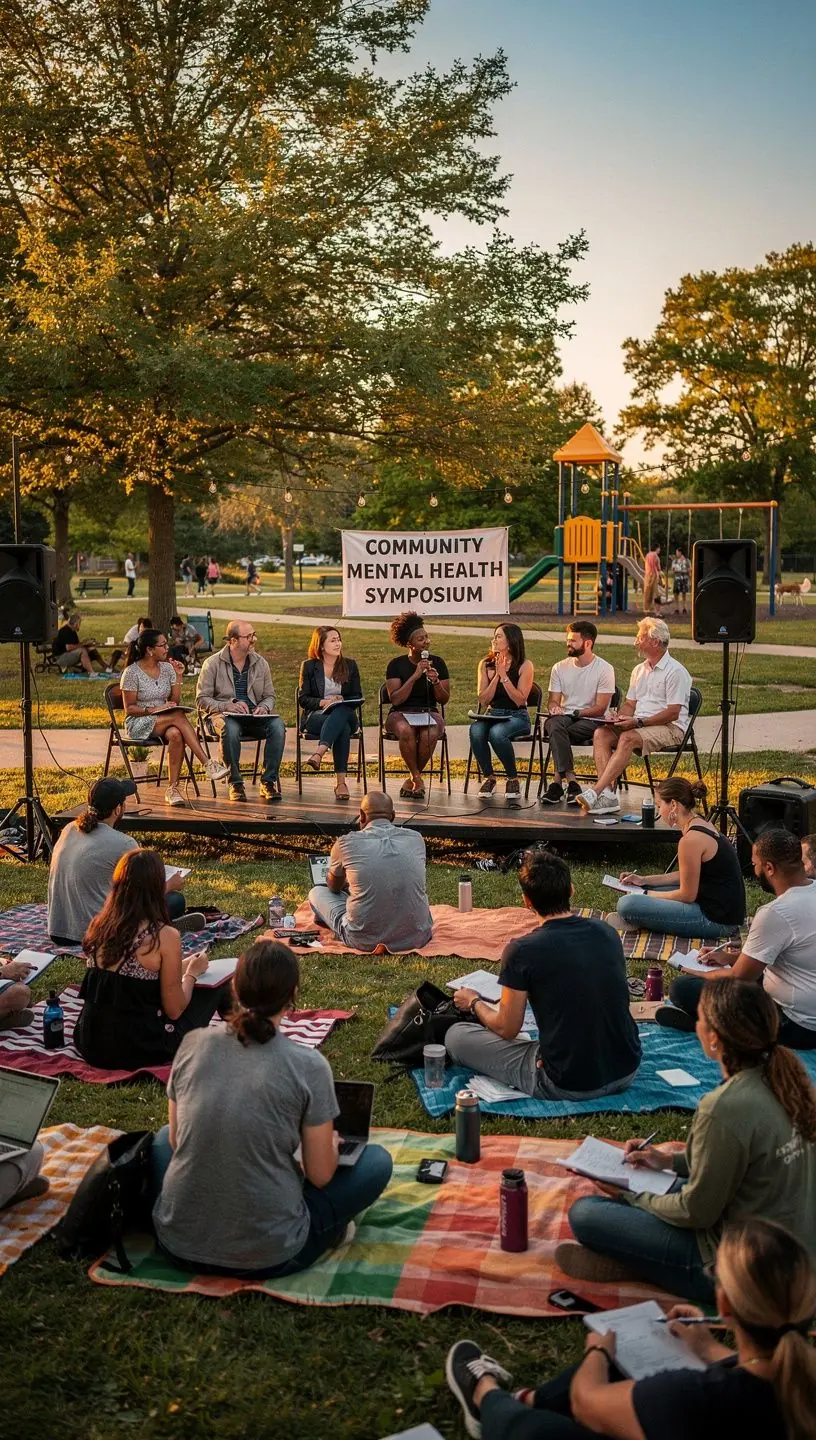
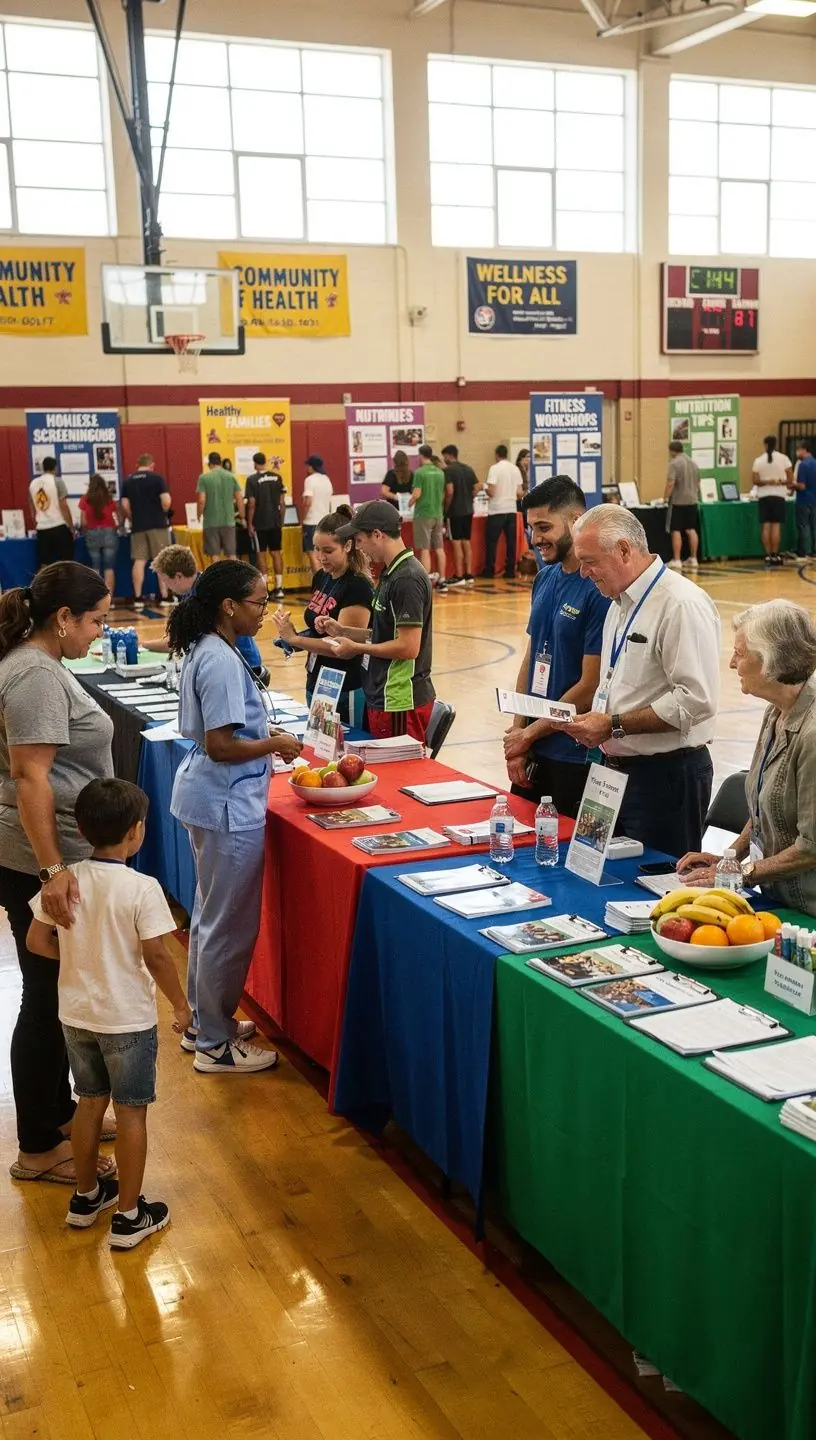
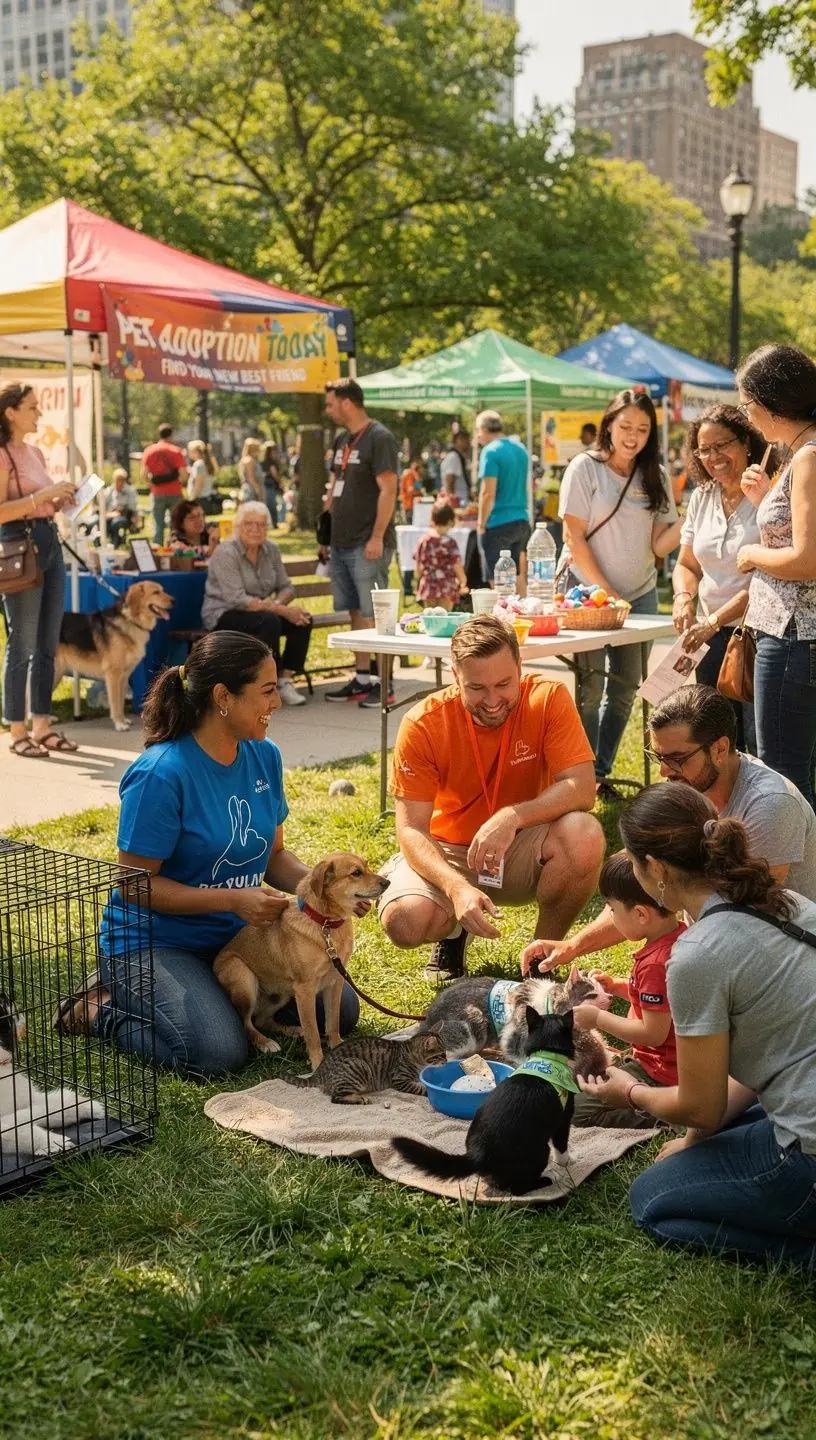
- Organize Community Events: Hosting events such as neighborhood clean-ups, town halls, or cultural festivals offers a platform for residents to come together. Studies suggest that in-person interactions can lead to stronger social bonds, which are crucial for fostering civic involvement. Planning events that cater to diverse interests can attract a wider audience.
- Encourage Local Leadership: Empowering local leaders and community organizations to take initiative can build a sense of ownership and responsibility among residents. Experts recommend training community members in leadership skills to help them advocate for local issues effectively. This grassroots approach often leads to more sustainable engagement.
- Highlight Local Success Stories: Sharing examples of successful civic engagement can inspire others to participate. Highlighting stories from community members who made a difference can serve as motivational case studies. Research shows that when people see others like them making an impact, they are more likely to take action themselves.
Challenges to Consider
While these strategies can be effective, it is important to acknowledge certain challenges that may arise:
- Time Commitment: Many individuals may perceive civic involvement as time-consuming. It is essential to provide options that require varying levels of commitment, making participation more feasible for everyone.
- Awareness: Often, people are simply unaware of the opportunities available to them. Ensuring that information is widely disseminated can significantly improve participation rates.
- Accessibility: Events and programs must be accessible to all community members, regardless of socioeconomic status or physical ability. This may involve providing transportation options or ensuring venues are ADA compliant.
Conclusion
Increasing civic engagement in communities is a complex but achievable goal. By employing practical strategies that leverage technology, organize community events, encourage local leadership, and highlight success stories, communities can create an environment where involvement is nurtured and valued. The path to greater civic participation requires time and effort, but the potential benefits for individuals and the community as a whole make it a worthwhile endeavor.
Learn More